Captain Shaw's C of E Primary School
Making our Roads Safer
When Learning Leads to Action
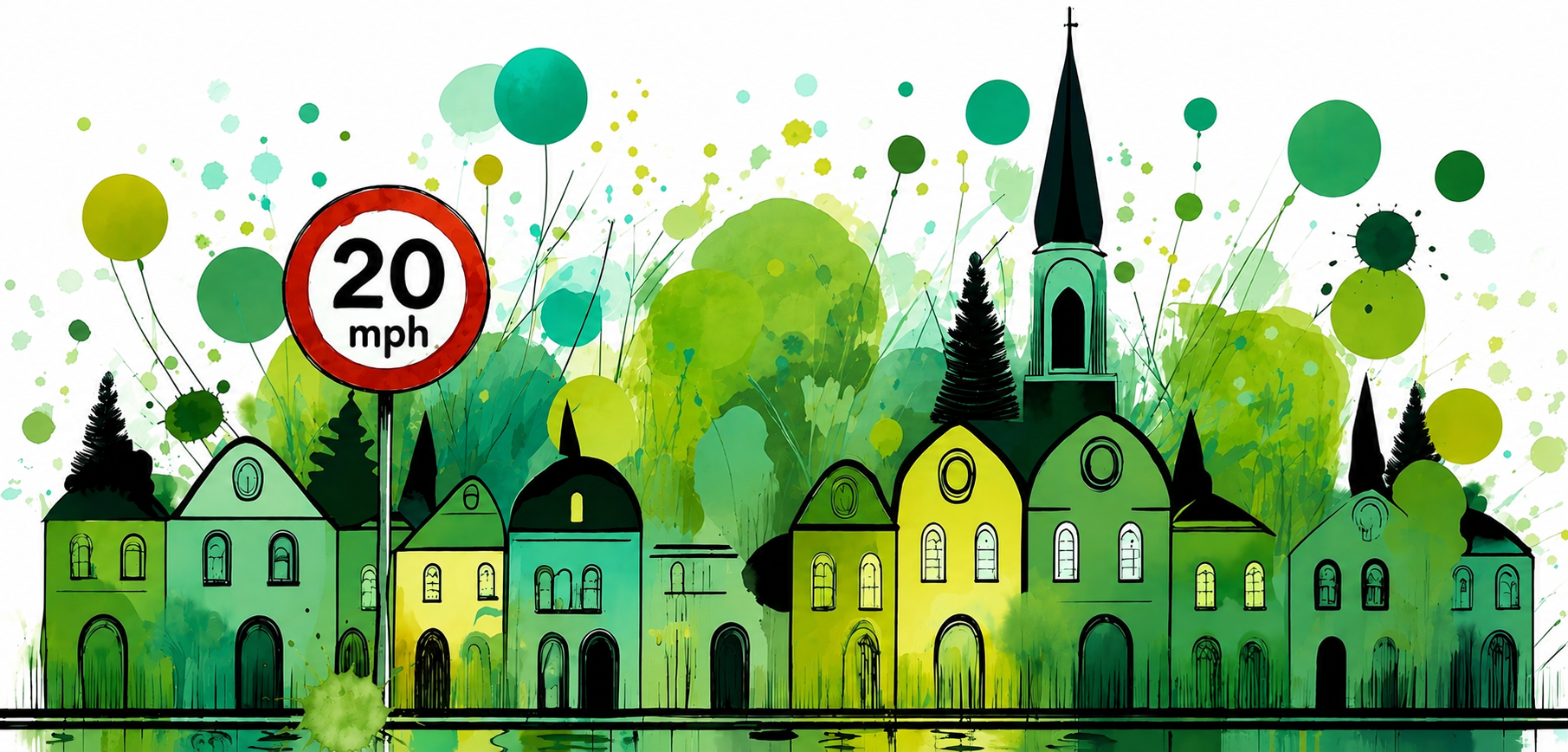
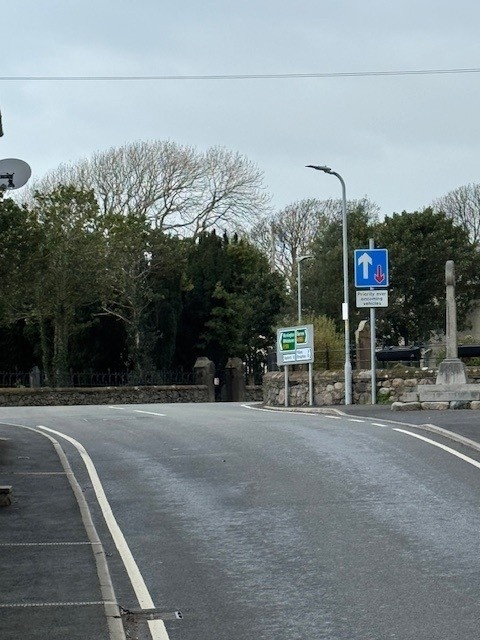
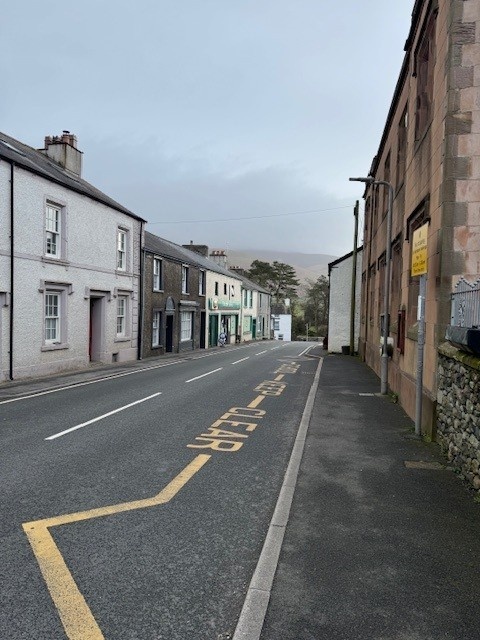
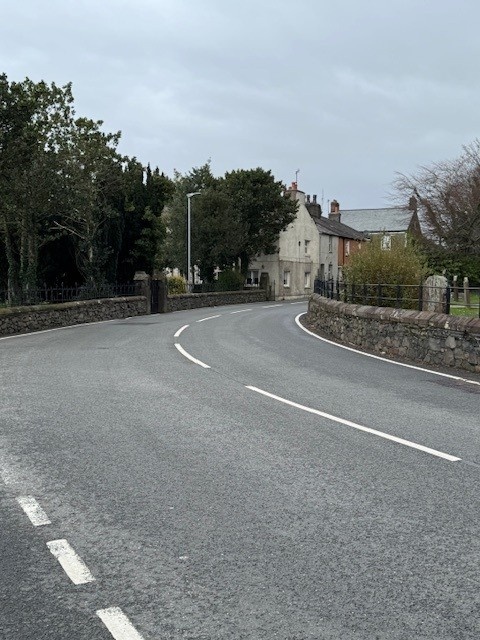
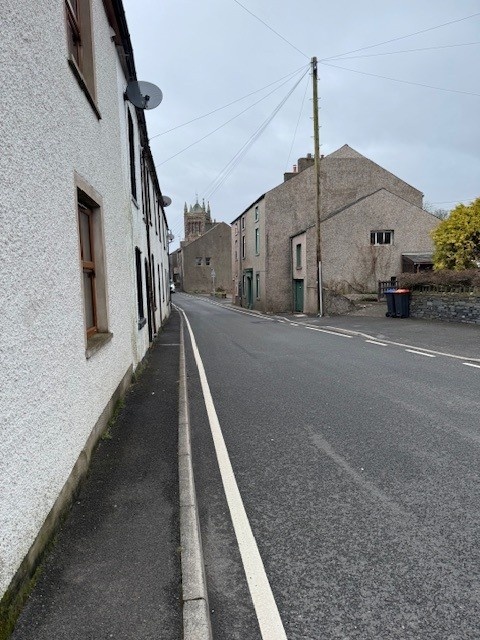
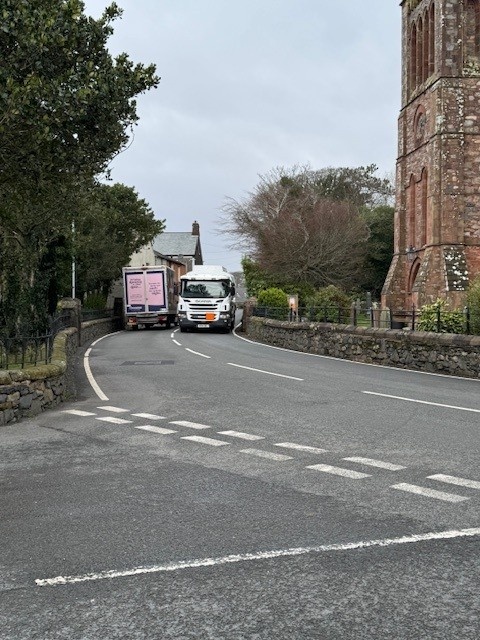
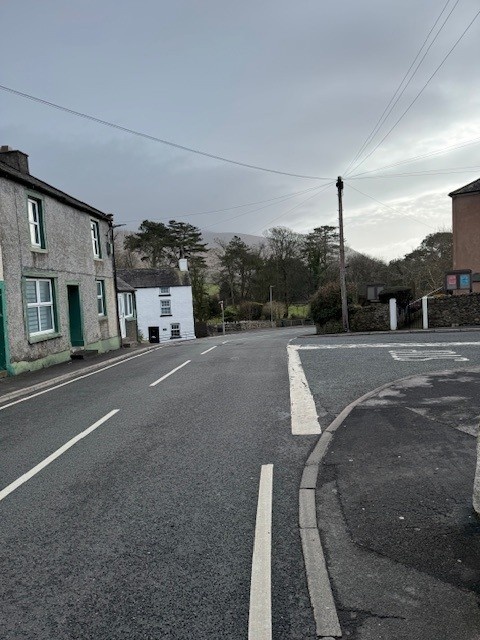
During our Right or Wrong? topic, our KS2 children began looking closely at their own community and identified something they believed could be better: the 30mph speed limit outside our school.
They considered the narrow pavements, places where there is no pavement at all, blind bends, traffic noise and the experiences of children, older residents, pedestrians and cyclists. These concerns became the evidence for their campaign.
Rather than simply asking, “Why doesn't somebody do something about it?”, we challenged the children to consider:
Could we do something about it?
A Real-Life Vehicle for Learning
The campaign became one of our Curriculum Vehicles, giving children's learning a genuine purpose.
In English, children learned how to write persuasively: developing an argument, selecting evidence, considering opposing viewpoints and writing for a real audience. Their wider learning helped them explore safety, community, responsibility and how decisions are made.
Every child from Year 3 to Year 6 then wrote their own letter arguing for the speed limit outside school to be reduced from 30mph to 20mph.
These weren't pieces of writing created simply for a teacher to mark.
The children had something to say – and a real reason to say it.
Democracy in Action
We shared the children's letters with our local MP, Michelle Scrogham, and Bootle Parish Council.
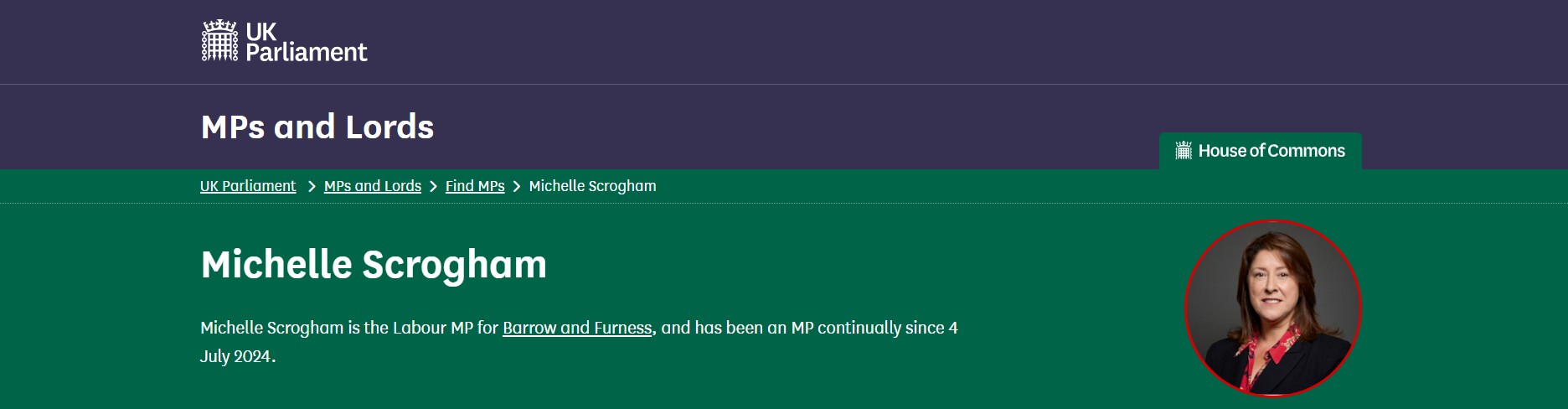
Michelle responded to the children and explained that changing the speed limit requires a formal Traffic Regulation Order, consultation and a decision through the local highways authority. She also offered to help take their campaign forward to Cumberland Council.
Her response captured exactly what we hoped the children would discover:
This sounds like a fantastic way for the children to learn about our democratic system, and the way decisions are made around issues that affect them.
Michelle Scrogham MP
She subsequently contacted the council, asking whether councillors, the MP and council officers could work together to involve the children in what happened next.
The children were experiencing British Values rather than simply learning about them. They discovered that democracy means having a voice, listening to different views, understanding how decisions are made and persevering when change takes time.
Serving the Common Good
This project brought our Christian and school values to life too.
Children Showed Courage by speaking up, Showed Wisdom by considering evidence and different viewpoints, Were Respectful in the way they presented their arguments and learned that sometimes we need to Persevere if we want to bring about change.
Most importantly, they weren't campaigning only for themselves. Their letters repeatedly considered the safety and wellbeing of other people in their community.
That is what Serving the Common Good means to us: noticing something that could be better and having the knowledge, values and confidence to try to make a difference.
Our Voices Matter
We don't yet know where this particular story will end – and that is part of the learning.
Our children identified a problem. They investigated it. They formed their own views. They used their learning to communicate those views. And people with the power to influence change listened.
Our children may attend a small rural school, but they are learning that this doesn't mean they have a small voice.
Our Children's Campaign
At the bottom of the page, you can see some of the children's original letters and the arguments they made for change.